How to Meal Prep Without Cooking: A No-Cook Plan
Meal prep without cooking means assembling ready-to-eat staples into boxes: a protein, plenty of vegetables, a grain, and one sauce.

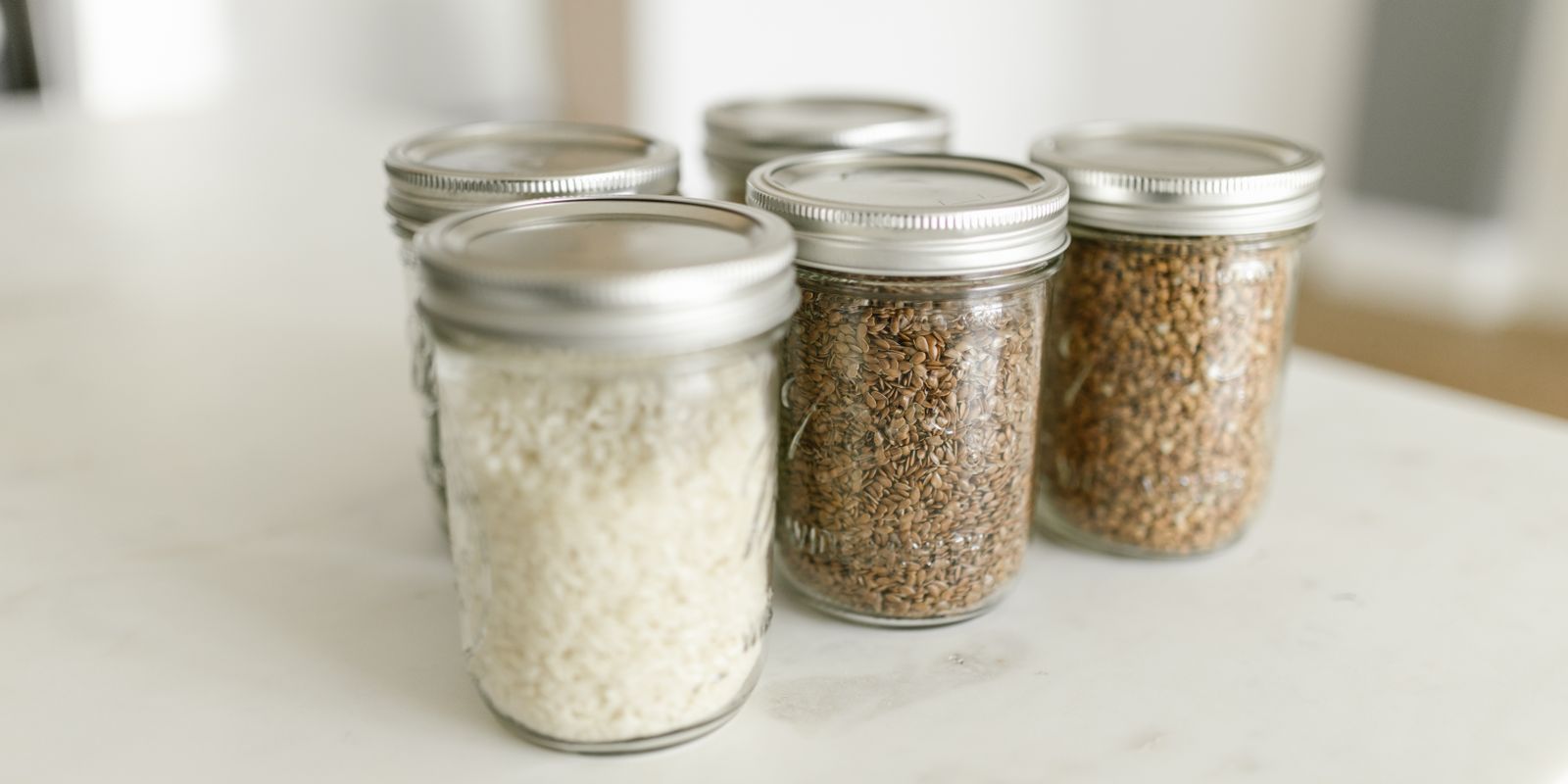
Photo by RDNE Stock project on Pexels
- No-cook meal prep means assembling ready-to-eat foods instead of cooking them.
- Fill each box like Harvard's Healthy Eating Plate: half vegetables and fruit, a quarter whole grain, a quarter protein.
- Rinse fresh produce under running water; bagged greens labelled pre-washed can be used as they are.
- Keep the fridge at 40°F or below and never leave perishable food out more than 2 hours (1 hour above 90°F).
How to meal prep without cooking comes down to one switch: you assemble instead of cook. Buy foods that are already safe to eat (tinned beans and fish, pre-washed greens, ready-cooked grains, yoghurt, cheese, nuts), wash and chop the fresh produce once, and pack each box with a protein, plenty of vegetables, a grain and a sauce. Half an hour on a Sunday with no stove is enough for several lunches.
This guide gives you a simple template, a shopping list, a few combinations that hold up in the fridge, and the food-safety basics that still apply when nothing gets heated.
Why no-cook prep is worth doing
Most people who stop meal prepping do not stop because they dislike the food. They stop because the prep itself became a two-hour cooking project. Taking the stove out removes the longest step, the washing up and the heat, and it makes the habit small enough to repeat every week.
The research on planning points the same way. In a large French study of more than 40,000 adults, people who planned their meals ahead tended to eat a more varied diet that followed national guidelines more closely. We cover that in more detail in is it good to meal prep. No-cook prep is simply the lowest-effort way to have a plan sitting in the fridge.
The no-cook box template
The Harvard T.H. Chan School of Public Health's Healthy Eating Plate is a useful shape to copy: about half the plate vegetables and fruit, a quarter whole grains, and a quarter protein, such as fish, poultry, beans or nuts. Every no-cook box can follow it.
- Half: vegetables and fruit. Pre-washed salad leaves, cherry tomatoes, cucumber, peppers, carrots, sugar snap peas, radishes, sweetcorn from a tin, berries, apple slices with lemon.
- A quarter: a grain or starch. Microwave pouches of brown rice or quinoa (they are already cooked and can be eaten cold or warmed at work), whole-grain wraps, pitta, oatcakes, rye crackers.
- A quarter: protein. Tinned chickpeas, lentils or black beans (rinsed), tinned tuna, salmon or sardines, shop-bought cooked chicken, firm tofu that is labelled ready to eat, hummus, cottage cheese, feta, Greek yoghurt, edamame, nuts and seeds.
- One sauce. Lemon and olive oil, a yoghurt and herb dressing, pesto, salsa, tahini thinned with water, or a peanut dressing made in a jar.
If you want a sense of how much protein to aim for, see how much protein you need a day.
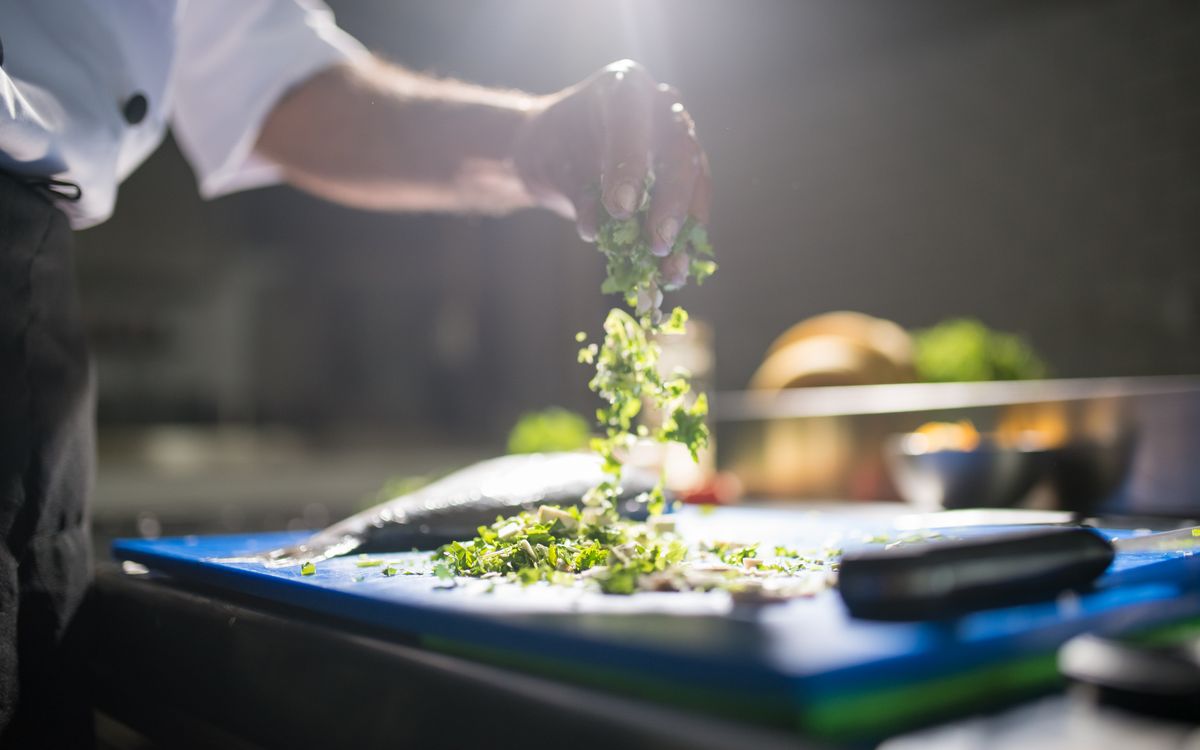
Photo by Kampus Production on Pexels
How to meal prep without cooking, step by step
- Shop for the template, not for recipes. Pick one item from each line above, plus one extra vegetable. That is a full shopping list.
- Wash produce under running water. The US Food and Drug Administration advises washing fresh produce under running water and not using soap, detergent or a commercial produce wash. Bagged greens labelled as pre-washed and ready to eat can be used as they are.
- Chop once. Slice the peppers, cucumber and carrots in one go. Keep wet and dry things apart so nothing goes soggy.
- Rinse the tins. Drain and rinse beans and chickpeas. Drain tinned fish and keep it in its own small container if you prefer it fresh on the day.
- Pack in layers. Sauce at the bottom (or in a small pot), then sturdy things like beans and grains, then chopped vegetables, with leaves on top. Jars work well for this.
- Refrigerate straight away and label each box with the day it was made.
Five no-cook combinations that hold up
- Chickpea crunch jar. Chickpeas, cucumber, tomatoes, red onion, feta, ready-cooked quinoa, lemon and olive oil.
- Tuna and bean box. Tinned tuna, cannellini beans, sweetcorn, peppers, spinach, a spoon of pesto, a few crackers on the side.
- Mezze plate. Hummus, carrot and pepper sticks, cherry tomatoes, olives, a boiled egg bought ready to eat, wholegrain pitta.
- Burrito bowl without the stove. Black beans, microwave rice, salsa, sweetcorn, lettuce, cheese, a little avocado added on the day.
- Overnight oats for breakfast. Oats, milk or yoghurt, chia seeds and berries, mixed in a jar the night before. The oats soften in the fridge, so nothing needs heating.
Vary the sauce and the same ingredients taste like a different lunch, which is the easiest fix for the boredom that ends most prep habits.
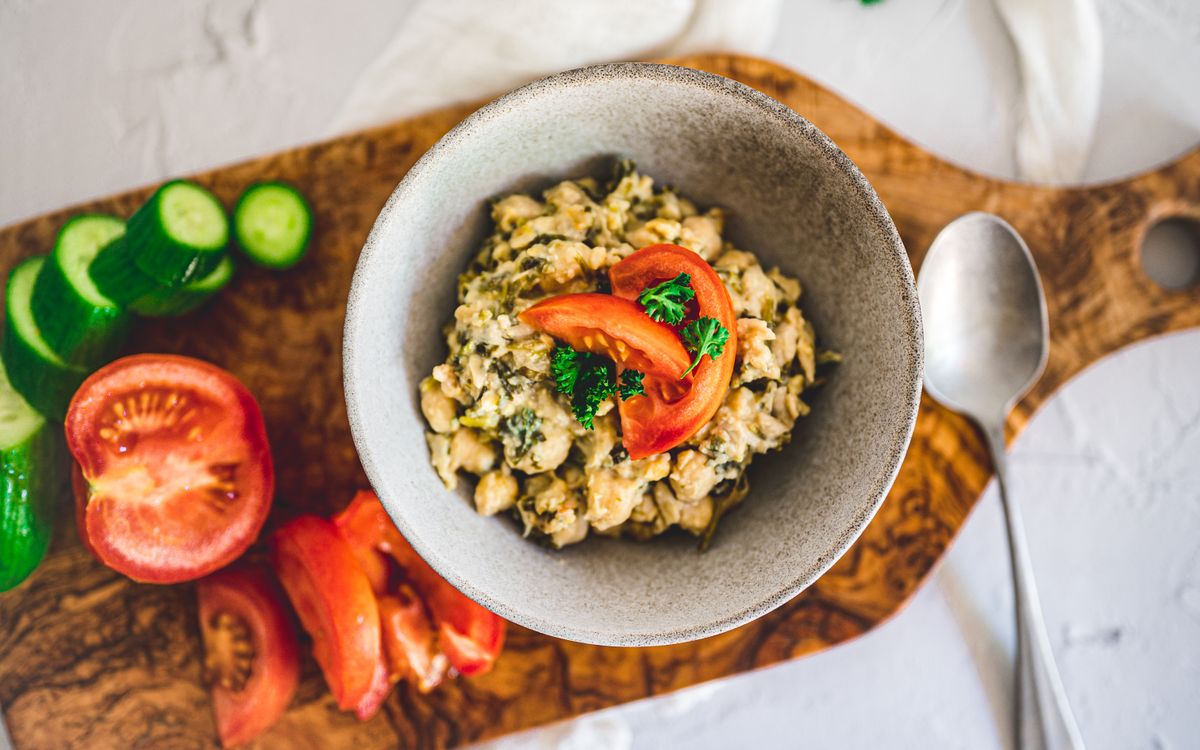
Food safety still matters when nothing is cooked
No heat means no step that kills germs, so the cold side of food safety does all the work. The US Centers for Disease Control and Prevention sets out four steps, clean, separate, cook and chill, and three of them apply directly here:
- Clean. Wash your hands, your board and your knife before you start, and rinse fresh fruit and vegetables under running water.
- Separate. Keep raw meat, poultry, seafood and eggs away from ready-to-eat food. A no-cook prep should only use foods that are sold ready to eat.
- Chill. Keep your fridge at 40°F (4°C) or below, and never leave perishable food out for more than 2 hours, or 1 hour if it is somewhere above 90°F (32°C), such as a warm car or a sunny desk.
Opened tins, cut fruit and anything with dairy or fish keep for a limited time once packed. Check the use-by dates and the food-safety guidance where you live, and plan to eat the fish and dairy boxes first in the week. If you want a five-day plan, prep three days of boxes and keep the rest as whole ingredients you assemble mid-week.
Keeping it cheap
Tinned beans and fish, frozen vegetables thawed overnight in the fridge, oats and microwave grain pouches are among the cheapest ways to fill the template. Pre-cut produce saves time but costs more; whole carrots, cucumbers and peppers take five minutes to chop. For more on stretching a food budget, see how to eat healthy for cheap.
When the prep does not happen
Some Sundays get away from you. On those days the useful question is what can be put together from what is already in the kitchen. Tell Orion, the coach inside Orbit, what is in your fridge and cupboard and it suggests a meal that fits your day, then logs it in a tap. A tin of beans, a bag of leaves and a jar of something is usually enough for a box.
The short version
To meal prep without cooking, build each box from ready-to-eat foods: half vegetables and fruit, a quarter grain, a quarter protein, plus one sauce. Wash and chop once, pack in layers, refrigerate straight away and eat the fish and dairy boxes first. It takes about half an hour and no stove.
Questions people ask
Can you meal prep without a stove?
Yes. Build boxes from ready-to-eat foods such as tinned beans and fish, pre-washed greens, ready-cooked grain pouches, hummus, yoghurt and cheese, then add chopped vegetables and a sauce.
What protein can I eat without cooking?
Tinned chickpeas, lentils and beans, tinned tuna, salmon or sardines, shop-bought cooked chicken, ready-to-eat tofu, hummus, cottage cheese, Greek yoghurt, edamame, nuts and seeds.
How long does no-cook meal prep last in the fridge?
It depends on the food, so check use-by dates and local food-safety guidance. A simple rule is to prep about three days of boxes, keep the fridge at 40°F or below, and eat fish and dairy boxes first.
Do I need to wash pre-washed salad?
No. The FDA says produce labelled as pre-washed and ready to eat can be used without washing again. Other fresh produce should be rinsed under running water.
Sources
Published by Orbit Editorial. General information, not medical advice. How we write and check guides. Spotted a mistake? Tell us.
Keep reading
Is It Good to Meal Prep? What the Research Says
Meal planning is linked with more varied, higher-quality eating. The catch is safe storage, so plan the back half of the week for the freezer.
How to eat healthy for cheap
How to eat healthy for cheap: build meals from a few staples, buy produce frozen or canned, cook once for several days, and change one habit at a time.
Does coffee count as water intake? Yes, mostly
Yes. A cup of coffee is mostly water, and at everyday amounts caffeine's effect on urine is small, so coffee and tea count toward your daily total.