
Guides
3 so far, newest first.

◎ Focus & deep work
Why do I procrastinate so much? The real reasons
Research links procrastination less to laziness and more to tasks that feel unpleasant, low confidence and pulls toward quicker rewards.
◎ Focus & deep work
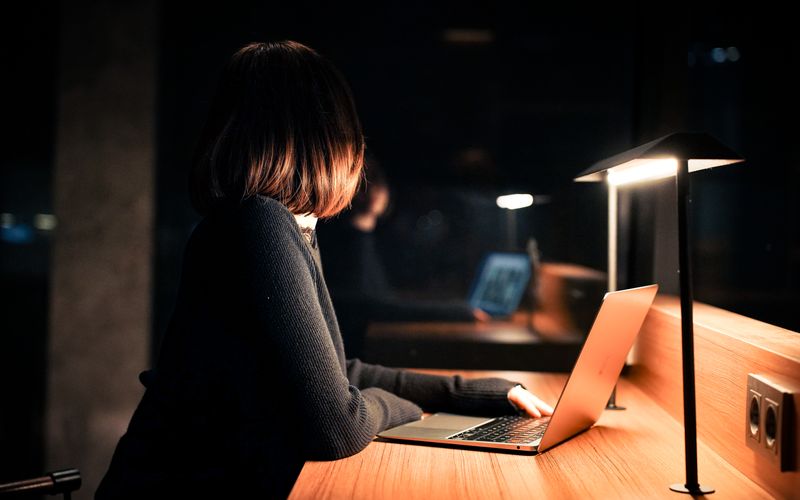
Why do I focus more at night? What the research says
Night focus usually comes from your body clock running later plus a quieter world. It is real, but only works long term if sleep still fits around it.

◎ Focus & deep work
Does the Pomodoro technique work? What the research says
In one study, students on fixed 24/6 work-break cycles felt less tired and more focused than those who chose their own breaks, and got as much done.
What the guides say
The short version of each, before you read it.
Why do I procrastinate so much? The real reasons
- A review of 691 correlations linked procrastination most to unpleasant tasks, distant rewards, low confidence and impulsiveness.
- In a 2026 study of 108 adults, trouble getting started predicted procrastination best; thinking-test scores did not.
- Students who forgave themselves for one delay tended to procrastinate less before the next exam.
- Shrink the first step, bring the reward closer and keep distractions out of reach.
Why do I focus more at night? What the research says
- Night focus usually comes from two things together: a later-running body clock and a quieter world with fewer interruptions.
- A 2025 review of 65 studies found chronotype alone did not change how well people think, but timing did for many.
- In 29 of 64 studies of adults aged 18 to 45, people did better on attention and memory at their own preferred time of day.
- Night focus becomes a problem when it cuts sleep short; set a finish time before you start.
Does the Pomodoro technique work? What the research says
- In a 2023 study of 87 students, fixed 24/6 work-break cycles were linked to less fatigue and distraction than self-chosen breaks.
- All groups got about the same work done, so the fixed-break groups finished it in less time.
- A 12/3 schedule did about as well as 24/6: the benefit seems to come from not deciding when to stop.
- A meta-analysis of 2,335 people linked micro-breaks to more energy and less fatigue; demanding work may need longer breaks.


