Why do I focus more at night? What the research says
Night focus usually comes from your body clock running later plus a quieter world. It is real, but only works long term if sleep still fits around it.
 Orbit Editorial·5 min read··3 sources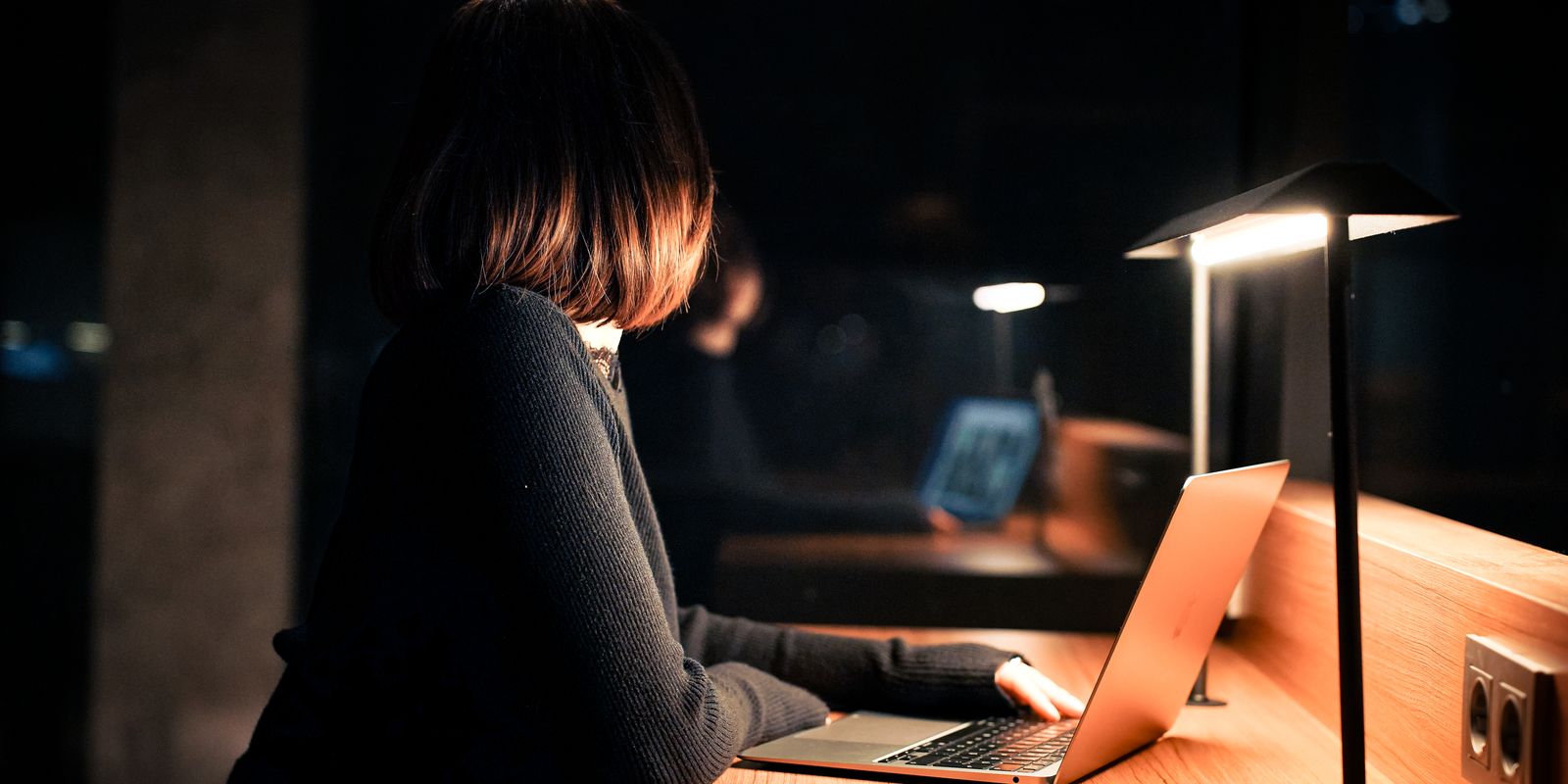
Photo by Oktay Köseoğlu on Pexels
- Night focus usually comes from two things together: a later-running body clock and a quieter world with fewer interruptions.
- A 2025 review of 65 studies found chronotype alone did not change how well people think, but timing did for many.
- In 29 of 64 studies of adults aged 18 to 45, people did better on attention and memory at their own preferred time of day.
- Night focus becomes a problem when it cuts sleep short; set a finish time before you start.
- Morning daylight, dimmer evenings and a steady wake time give your body clock a clearer signal.
If you keep asking "why do I focus more at night", there are usually two answers working together. The first is your body clock: some people's internal rhythm runs later than others', and research on the so-called synchrony effect suggests many people do their best attention and memory work at their own preferred time of day. The second is the world around you: at night the messages stop, the house goes quiet, and nobody needs anything from you. Neither is a flaw. The real question is whether your night focus is costing you the sleep that makes tomorrow's focus possible.
Here is what the research says about each part, and how to use a late-running brain without running yourself down.
Your body keeps its own time
The US National Institute of General Medical Sciences describes circadian rhythms as the physical, mental and behavioural changes the body goes through over roughly 24 hours. A cluster of nerve cells in the brain, the suprachiasmatic nucleus, acts as a master clock and keeps the body's other clocks in step.
Light is the strongest signal that sets this clock. According to NIGMS, the master clock controls the release of melatonin based on how much light reaches the eyes, and in the evening it tells the brain to make more melatonin, which brings on sleepiness. Food, stress and temperature nudge the clock too, and NIGMS notes that genetic differences affect how it runs.
That last point matters here. People do not all run on the same schedule. The research term for where your rhythm naturally falls is chronotype: morning types feel sharpest early, evening types later, and most people sit somewhere in between.
The synchrony effect: sharpest at your own time
If you are an evening type, working at night may simply line up with when your brain is most switched on. Researchers call this the synchrony effect: better performance when a task falls at a person's preferred time of day.
A 2025 systematic review in Chronobiology International pulled together 65 studies on chronotype and thinking in healthy adults. Two findings stand out:
- Chronotype on its own did not decide how well people think. More than 80 percent of the studies found no overall difference between morning and evening types. Night owls are not smarter or slower; they are timed differently.
- Timing mattered for many people. In 29 of 64 studies of adults aged 18 to 45, people did better at their optimal time of day, mostly on attention, holding back impulses, and memory. In older adults the effect was even more consistent, showing up in 10 of 12 studies.
The review also found that outside factors such as task difficulty and lighting shaped how strong the effect was. A 2023 narrative review in Postępy Psychiatrii i Neurologii reached a similar view: time-of-day effects on thinking depend heavily on a person's chronotype, with large differences between younger and older groups.
So if your attention genuinely sharpens after dark, that is consistent with the research, especially if you are younger. Many people drift later in their teens and twenties.
Photo by Tom Materne on Pexels
The quiet is doing some of the work
The second reason is less about biology and more about the environment. During the day, attention gets pulled in every direction: messages, meetings, people, noise, the feeling that someone might need you any minute. At night, most of that stops.
This matters more than it sounds. Deep work needs an unbroken run of time, and every interruption means climbing back into the task. If night is the only stretch of your day with no incoming demands, you may be focusing better at night partly because it is the only time you are allowed to. A useful test: on a quiet weekend morning with your phone in another room, how does your focus compare?
If mornings go just as well when they are protected, the fix may be shielding a daytime block rather than staying up. If they still feel foggy, your body clock is probably a big part of the story.
When night focus becomes a problem
Night focus turns into trouble when it eats into sleep. Your morning alarm does not move just because your best hours are late, so a 1am finish before a 7am start means a short night, and short nights tend to leave attention patchier the next day. That can set up a loop: foggy all day, finally clear at night, stay up to use it, foggy again tomorrow.
Working late also usually means screens and bright light late. Since light is the main signal that sets the clock, evening light can keep pushing it later. If you want a baseline for how much rest adults tend to need, see our guide to how much sleep adults need.
If you are regularly unable to sleep, or feel exhausted however long you rest, that is worth raising with a doctor rather than working around.
How to use a night-owl brain well
You do not have to force yourself into a 5am routine. A few approaches fit a later rhythm without wrecking your sleep:
- Put your hardest thinking in your best window, with a hard stop. Decide the finish time before you start, and leave enough room to wind down and still get a full night.
- Move the easy work to the foggy hours. Email, admin and routine tasks need less sharp attention. Save them for the part of the day when you feel slowest.
- Protect one quiet block in daylight. Phone in another room, notifications off, door closed. It tests how much of your night focus is really about the silence.
- Work in short, timed sessions. A fixed session with a clear end helps you start, and makes it easier to stop at a sensible hour. Our look at whether the Pomodoro technique works covers how session lengths hold up.
- Get daylight early and dim the lights late. Morning light and dimmer evenings give your clock a clearer signal, which may help if you want to shift your rhythm a little earlier.
- Keep your wake time steady. A regular wake time anchors the clock even when bedtimes wander.
Orbit's focus timer runs 25, 50 or 90 minute sessions on the wall clock, so locking your phone does not stop it, and it keeps a week of your focus minutes. Seeing when your sessions actually happen is a simple way to find your own best window instead of guessing.
The short version
You probably focus more at night for two reasons: your body clock may run on the later side, and night is the only time the world stops asking things of you. Research on the synchrony effect suggests many people do their best attention and memory work at their own preferred time, and that chronotype itself does not make anyone better or worse at thinking. Use your best hours for your hardest work, but set a finish time that protects your sleep, shield a quiet block during the day, and let morning light and a steady wake time keep your clock from drifting ever later.
Questions people ask
Is it bad to focus better at night?
No. Research suggests many people perform best at their own preferred time of day, and being an evening type does not make anyone worse at thinking. It only becomes a problem if late work regularly cuts your sleep short.
Am I a night owl?
If you naturally feel alert later in the day, struggle to fall asleep early, and would wake later if you could, you probably lean toward an evening chronotype. Most people sit somewhere between strongly morning and strongly evening.
Can I train myself to focus in the morning?
You can nudge your rhythm. Light is the strongest signal to the body clock, so morning daylight, dimmer evenings and a steady wake time can shift it earlier over time. Protecting a quiet morning block also helps separate environment from biology.
Why do I get a burst of energy late at night?
It often comes from a later-running body clock combined with a quiet environment with no interruptions. If it pushes bedtime later and leaves you tired the next day, set a firm stop time for late work.
Is it better to study at night or in the morning?
It depends on your chronotype. Studies of the synchrony effect found many people did better on attention and memory tasks at their own optimal time of day, so the best time is the one when you feel sharpest, as long as sleep still fits.
Sources
- National Institute of General Medical Sciences (NIH). Circadian rhythms
- Chauhan S, et al. Chronotype and synchrony effects in human cognitive performance: a systematic review. Chronobiology International, 2025
- Wiłkość-Dębczyńska M, Liberacka-Dwojak M. Time of day and chronotype in the assessment of cognitive functions. Postępy Psychiatrii i Neurologii, 2023
Keep reading

Does the Pomodoro technique work? What the research says
In one study, students on fixed 24/6 work-break cycles felt less tired and more focused than those who chose their own breaks, and got as much done.
How to read blood test results: a plain-language guide
Find the marker, your number, the unit and the reference range; treat a flag as a question for your clinician, and compare trends only within one lab.

How much does a health coach cost? What you are paying for
Coaches set their own rates, insurance rarely pays yet, and the research points to 12–15 sessions. Here is how to work out the real total.