
Guides
2 so far, newest first.
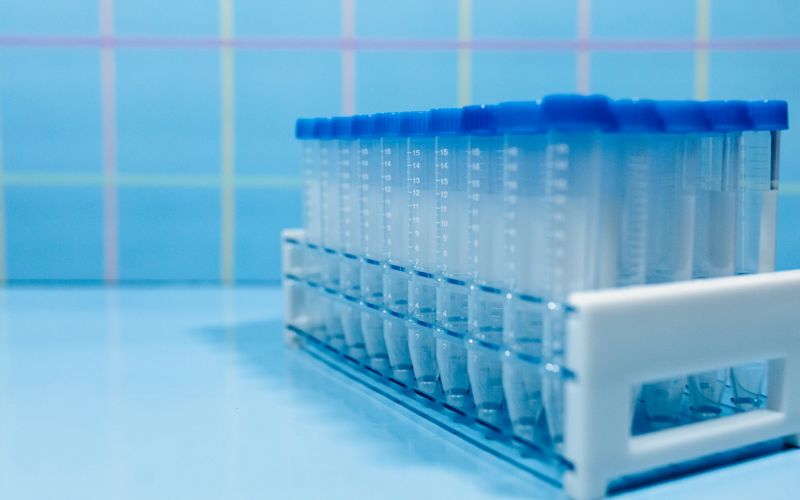
◉ Bloodwork
How to read blood test results: a plain-language guide
Find the marker, your number, the unit and the reference range; treat a flag as a question for your clinician, and compare trends only within one lab.
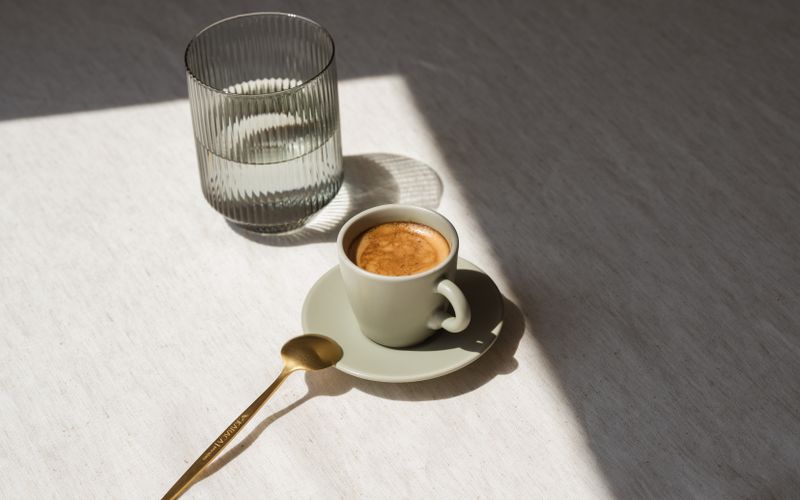
◉ Bloodwork
What should I do before a blood test? A calm checklist
Check whether you need to fast, drink plain water, keep taking your medicines unless told otherwise, and skip hard exercise and alcohol the day before.
What the guides say
The short version of each, before you read it.
How to read blood test results: a plain-language guide
- Read each line in order: marker, your number, unit, reference range, and any H or L flag.
- Many reference ranges cover the middle 95% of healthy people, so about 1 in 20 healthy people lands outside any one range.
- Food, medicines, hard exercise, hydration and the menstrual cycle can all nudge a result.
- Labs use different methods and ranges, so only compare numbers from the same lab.
What should I do before a blood test? A calm checklist
- Most blood tests need no preparation; ask whoever ordered yours whether it needs fasting.
- When fasting is needed it is usually 8 to 12 hours, with plain water only: no coffee, gum or smoking.
- Keep taking your medicines unless your clinician says otherwise, and bring a list including supplements.
- Skip alcohol and hard exercise the day before, and book a morning slot if you are fasting.


