What should I do before a blood test? A calm checklist
Check whether you need to fast, drink plain water, keep taking your medicines unless told otherwise, and skip hard exercise and alcohol the day before.
 Orbit Editorial·6 min read··3 sources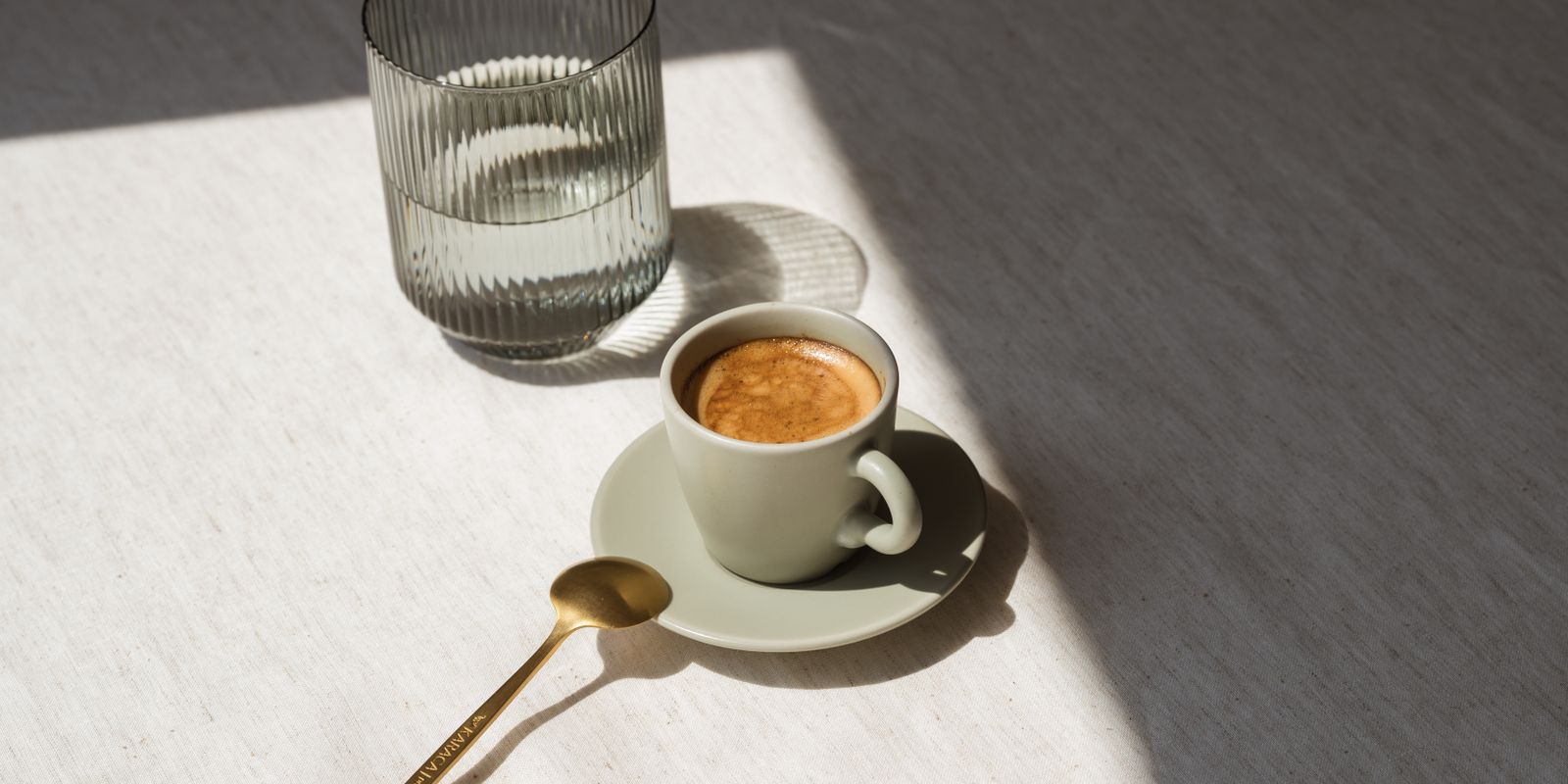
- Most blood tests need no preparation; ask whoever ordered yours whether it needs fasting.
- When fasting is needed it is usually 8 to 12 hours, with plain water only: no coffee, gum or smoking.
- Keep taking your medicines unless your clinician says otherwise, and bring a list including supplements.
- Skip alcohol and hard exercise the day before, and book a morning slot if you are fasting.
- If you ate by mistake, say so. A rebooked test beats a result that is off for the wrong reason.
If you are asking "what should I do before a blood test", the short answer is: find out whether your test needs fasting, drink plain water, keep taking your usual medicines unless your clinician says otherwise, and go easy on alcohol and hard exercise the day before. Most blood tests need no preparation at all. The ones that do usually ask for 8 to 12 hours without food, and the lab or your doctor will tell you which kind you have.
The rest of this page is the longer version: why each step matters, what counts as breaking a fast, and the small things that make the appointment itself easier.
First, ask one question
The single most useful thing you can do is ask whoever ordered the test: "Do I need to fast, and for how long?" MedlinePlus, the US National Library of Medicine's patient site, is clear that preparation depends on the test, and that the person ordering it is the one who knows. The NHS says the same: depending on the test, you may be asked not to eat or drink anything except water beforehand, or to pause a specific medicine.
If nobody mentioned preparation, it is fair to call the surgery or lab and check. It takes two minutes and saves a wasted trip.
What should I do before a blood test that needs fasting?
According to MedlinePlus, the tests that most commonly ask for fasting include blood sugar (glucose) tests, cholesterol and lipid panels, and the basic metabolic panel; liver and kidney panels sometimes do too. The usual window is 8 to 12 hours.
The reason is simple. Food and drink put sugar, fats and other nutrients into your bloodstream for hours afterwards, and those can move exactly the numbers the test is trying to read.
What fasting means in practice:
- Plain water is fine, and helpful. MedlinePlus notes that staying hydrated makes veins easier to find and the draw smoother.
- Coffee, tea, juice and soda are not. Even black coffee counts as breaking the fast for most fasting tests.
- No chewing gum, no smoking, no exercise during the fasting window.
- Book early if you can. A morning appointment means most of the fast happens while you are asleep.
If you forget and eat something, say so at the appointment. MedlinePlus advises telling your provider, because the test may need to be rebooked for accurate results. Nobody will be annoyed; a result that looks off for the wrong reason is worse than a reschedule.
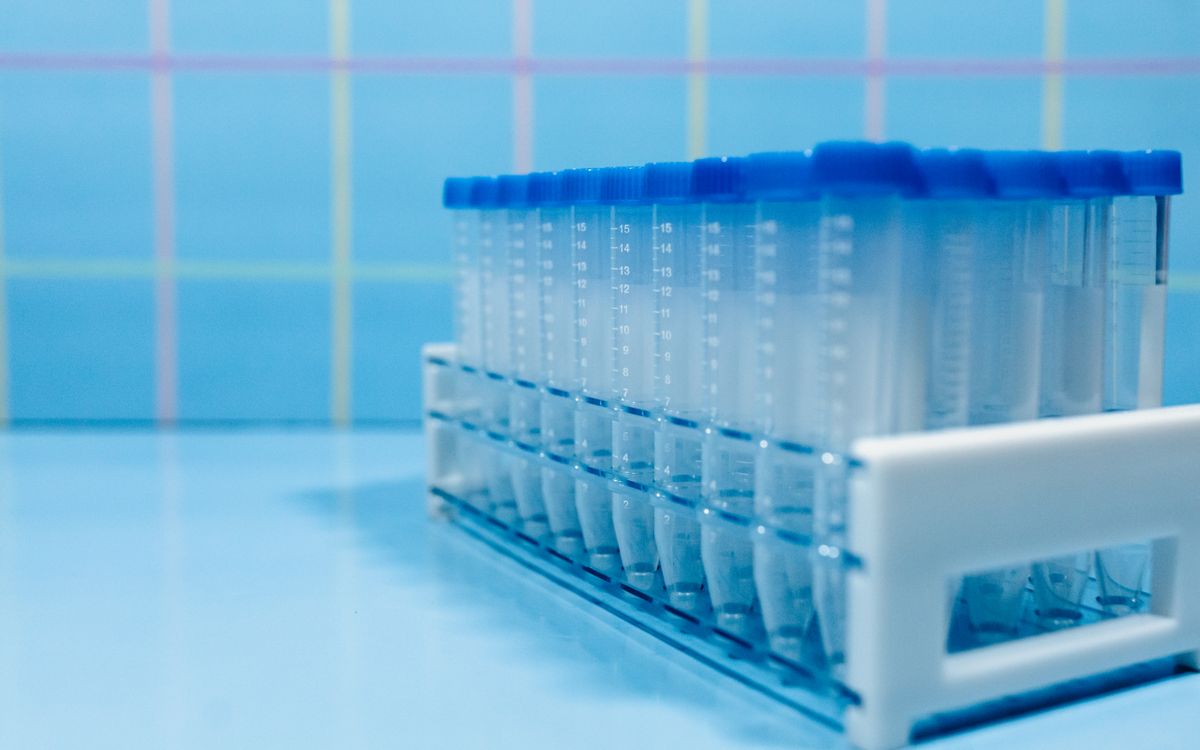
Photo by Tara Winstead on Pexels
Medicines and supplements
Do not stop a prescribed medicine on your own to prepare for a blood test. Both MedlinePlus and the NHS put the decision with your clinician: some medicines are paused for certain tests (the NHS mentions blood thinners as one example), but most are not, and stopping something without being asked can cause more trouble than it prevents.
What you can do is make a list. Write down every medicine, vitamin, supplement and over-the-counter product you take, with the dose, and bring it. MedlinePlus notes that some medicines can raise or lower readings such as blood sugar, so whoever reads your results needs the full picture. Supplements matter here too; people often leave them off because they do not think of them as medicine.
If you already keep a record of what you take and when, this step takes seconds instead of a scramble through the cupboard.
The day before
MedlinePlus lists a few things that can nudge results even when fasting is not required:
- Alcohol. Skip it the evening before.
- Strenuous exercise. A hard session can temporarily shift some markers. A normal walk is fine.
- A very large meal. Overeating the day before can affect some results, so eat as you normally would.
- Specific foods for specific tests. A few tests come with their own food list. If yours does, you will be told.
A normal night's sleep helps too, mostly because a blood draw feels easier when you are not running on empty. If you want a baseline for what normal looks like, our piece on how much sleep adults need covers it.
On the day: small things that help
The draw itself is short. The NHS describes it as taking around 10 minutes: a tourniquet on the upper arm, a small needle usually in the inside of the elbow, and a few tubes filled. Some tests use a finger prick instead.
A few practical habits make it smoother:
- Drink water beforehand unless told otherwise. Well-hydrated veins are easier to find. If you want a sense of your daily baseline, see how much water to drink a day.
- Wear a top with sleeves that roll up easily past the elbow.
- Bring your medicine list and any paperwork or form the lab asked for.
- Say if needles bother you. The NHS encourages people to mention it, and you can bring someone along for support. Lying down for the draw is a normal request.
- Pack a snack. MedlinePlus suggests eating soon after a fasting test, since feeling light-headed afterwards is common.
After the test
Keep light pressure on the spot for a minute or two once the needle is out. The NHS notes that a small bruise or a little swelling is normal and fades within a few days.
If you feel faint, sit or lie down and tell the staff; it passes quickly for most people and they see it every day. Eat and drink something before you drive if you have been fasting.
How long results take
The NHS says results usually come back within a few days and sometimes up to a few weeks, depending on the test. If you have heard nothing after several weeks, contact the surgery or clinic that ordered it rather than assuming no news is good news.
When they arrive, the numbers come with reference ranges. A single result a little outside a range can happen for ordinary reasons, including preparation, which is why the conversation with your clinician matters more than the number on its own. They interpret the result in the context of your history.
Keeping your results over time
One blood test is a snapshot. The more useful picture is the trend: the same marker across two, three or five panels, drawn under similar conditions. That is another reason preparation matters. If you fasted before one test and not the next, the two numbers are harder to compare.
Orbit keeps a bloodwork record for exactly this: you enter results from each panel and see every marker as a line over time. Orbit records; your doctor interprets. Bringing that history to an appointment gives the conversation something to work with.
The short version
Before a blood test, ask whether you need to fast and for how long (usually 8 to 12 hours if so). Drink plain water. Keep taking your medicines unless your clinician tells you otherwise, and bring a list of everything you take, supplements included. Skip alcohol and hard exercise the day before, book early if you are fasting, and bring a snack for afterwards. If you ate by mistake, say so. And if anything about the result worries you, the person who ordered the test is the right one to ask.
Questions people ask
Can I drink water before a blood test?
Yes. Plain water is allowed even for fasting tests, and MedlinePlus notes that staying hydrated makes the blood draw easier. Coffee, tea, juice and soda are not allowed during a fast.
How long do I need to fast before a blood test?
When fasting is needed, it is usually 8 to 12 hours. Many tests need no fasting at all, so ask whoever ordered the test which applies to you.
Can I drink black coffee before a fasting blood test?
For most fasting tests, no. MedlinePlus lists coffee among the drinks that can get into your bloodstream and affect the results. Stick to plain water until after the draw.
Should I take my medicine before a blood test?
Keep taking your usual medicines unless your clinician tells you to pause one. Some tests do ask for a specific medicine to be held, but that decision belongs to whoever ordered the test. Bring a list of everything you take.
What if I accidentally ate before a fasting blood test?
Tell the staff at the appointment. The test may need to be rebooked so the result is accurate, which is better than a number that is off for the wrong reason.
Sources
Keep reading

Why do I need an accountability partner? What the research says
Reporting your progress to someone else is linked to reaching goals more often. Here is why it works, and how to pick a partner who actually helps.
Why do New Year's resolutions fail by February?
Resolutions tend to fail on vague plans, all-or-nothing rules and goals framed as things to avoid. Here is what research suggests works instead.

How to remember what you read in books (without rereading)
Close the book and recall it. Research on memory favours testing yourself, spacing it out and explaining ideas over highlighting and rereading.