How to fix sleep schedule in 2 days: a realistic plan
Two days can start a sleep reset, not finish it: pick a fixed wake time, get bright light right after waking, and move bedtime earlier in small steps.


- Two days can start a sleep reset, not finish it: the body clock moves in small steps over days to weeks.
- The three levers: a fixed wake time, bright light within an hour of waking, and bedtime 15 to 30 minutes earlier at a time.
- A review found morning light moved the clock about 10 to 30 minutes earlier the same day, more with brighter or longer light.
- In one 2026 study, cutting sleep short and late evening light made the clock move later despite morning light, so skip the all-nighter.
- In a 2024 study, weekend morning light kept a new, earlier schedule in place for three weeks.
☾Want the number for your own day? Try the Bedtime calculator.
If you want to know how to fix sleep schedule in 2 days, here is the honest answer: two days is enough to start the reset, not to finish it. Your body clock moves in small steps, and research on morning light suggests it shifts by minutes to an hour or two over several days, not all at once. What two days can do is lock in the three things that pull the clock in the right direction: a fixed wake time, bright light soon after you get up, and a bedtime that moves earlier by 15 to 30 minutes at a time. Do those for two days and you will usually feel the change begin. Keep them for a week or two and it tends to hold.
Why your sleep schedule drifts in the first place
Your sleep timing is run by a master clock in the brain, a small group of nerve cells called the suprachiasmatic nucleus. The US National Institute of General Medical Sciences describes it as the clock that coordinates all the others in the body. Light and dark have the biggest say over it: in the evening, darkness tells the brain to make more melatonin, which makes you sleepy, and light from screens at night can confuse the signal.
That is why schedules slide so easily. A few late nights, a weekend of sleeping in, a week of scrolling in bed, and the clock follows the light you gave it. Food timing, activity, stress and temperature nudge it too, but light is the lever that moves it most.
How to fix sleep schedule in 2 days: the plan
Day 1
- Pick your wake time and set one alarm. Choose the time you want to wake up on a normal day, not a wishful one. Get up when it rings, even if you slept badly. The wake time is the anchor; bedtime follows it.
- Get bright light within the first hour. Open the curtains and step outside for 15 to 30 minutes if you can: a walk, coffee on the step, the commute on foot. A review of morning light studies found the clock's melatonin rhythm moved earlier by about 10 to 30 minutes the same day when light came shortly after waking, and more with brighter or longer light. Daylight outside is far brighter than a room.
- No nap, or one short one. If you must, keep it to 20 minutes before mid-afternoon so you are sleepy by evening.
- Dim the evening. An hour before bed, lower the lights and put the phone across the room. You are trying to send the clock the opposite signal to the morning.
- Go to bed 15 to 30 minutes earlier than last night, not three hours earlier. Lying awake for hours in the dark tends to make the next night worse.
Day 2
Repeat Day 1 exactly: same wake time, light in the first hour, a dim evening, and another 15 to 30 minutes earlier at bedtime if you felt sleepy at the earlier time last night. If you did not, hold the same bedtime rather than pushing it.
By the end of day two you have moved the anchor, not the whole clock. That is the realistic win.

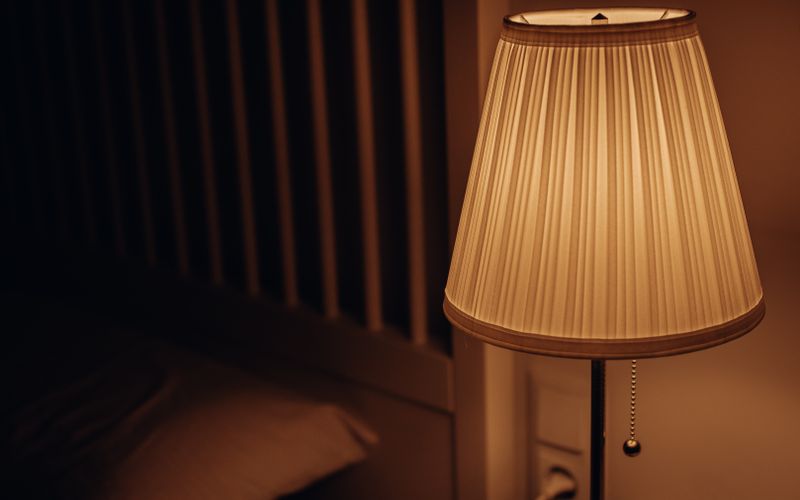
Photo by Warona Rasetshwane on Pexels
Why an all-nighter is not a reset
A popular shortcut is to stay up all night and crash early the next evening. The research points the other way. In a 2026 study, adolescents got 90 minutes of bright morning light on three mornings in a row while their sleep times moved earlier. The ones who kept 10 hours in bed shifted their clocks about 2 hours earlier. The ones whose sleep was cut to 7 or 5.5 hours by late evening light did the opposite: their clocks moved later, by about 0.8 and 2.6 hours, despite the same morning light.
The study was small and in teenagers, so it is one piece of evidence, not the last word. But the lesson is easy to use: losing sleep and sitting in bright evening light can undo the morning work. Protect the hours in bed while you shift.
What happens after the first 2 days
A second study shows what it looks like when people keep going. Late-sleeping adolescents moved their weekday bedtime 1 hour earlier in one week and 2 hours earlier the next, with bright light for 2.5 hours on weekend mornings. Over those two weeks their body clocks moved about 37 minutes earlier, and they slept about 70 minutes more on weekday nights. In the three weeks after, one morning light session each weekend was enough to keep the new timing almost exactly where it was.
Two things stand out. The shift built up over weeks, not days, and keeping it took very little once it was there. That is good news: the hard part is the first stretch.

The habits that make the new schedule stick
- Same wake time on weekends, within about an hour. Sleeping in for three hours on Saturday pulls the clock back toward where you started.
- Morning light every day, even on cloudy ones. Outdoor light on a grey morning is still brighter than most rooms.
- A wind-down cue at the same time each night: dim lights, phone on the charger away from the bed, a book or a short breathing session. Our guide to what happens if you meditate 5 minutes a day has an easy one.
- Enough hours. Work out your bedtime from your wake time. Our bedtime calculator does the arithmetic, and how much sleep adults need covers the numbers.
- A steady bedtime rather than a perfect one. If you are wondering whether a later bedtime is fine, is 11 pm a good bedtime looks at why regularity matters more than the exact hour.
Watch the pattern, not one night
One rough night during a reset is normal and does not mean it failed. What matters is the trend across a week or two. Orbit logs last night in one tap, draws your last thirty nights, and measures your rhythm against your own target, never a flat eight hours, so you can see whether your bedtime is really moving earlier or sliding back on Fridays.
When to talk to someone
If you keep a fixed wake time and morning light for a few weeks and still cannot fall asleep until very late, or you feel tired after a full night again and again, that is worth raising with a doctor or a sleep clinician rather than solving with another plan.
The short answer
You cannot move your body clock all the way in 2 days, but you can start it moving. Set one wake time, get bright light in the first hour, dim the evening, and bring bedtime earlier by 15 to 30 minutes a night without cutting your sleep short. Keep it up for a week or two, and keep the weekend close to the weekday, and the new schedule tends to hold.
Questions people ask
Can you really reset a sleep schedule in 2 days?
You can start it in 2 days, not finish it. Studies of morning light show the body clock moves by minutes to a couple of hours over several days to weeks. Two days of a fixed wake time and morning light gets the shift going.
Should I pull an all-nighter to reset my sleep schedule?
It is not a good idea. In one 2026 study, people whose sleep was cut short and who had bright light late in the evening saw their body clocks move later, even with bright morning light. Protect your hours in bed while you shift.
How much earlier should I go to bed each night?
About 15 to 30 minutes earlier at a time, and only when you feel sleepy at the new time. In one study, teenagers moved bedtime 1 hour earlier per week and their clocks followed.
Does morning sunlight help reset sleep?
The research suggests it does. A review found light soon after waking moved the clock earlier by about 10 to 30 minutes the same day, more with brighter or longer light. Outdoor daylight is much brighter than indoor light.
How do I keep my new sleep schedule on weekends?
Keep your wake time within about an hour of your weekday one and get morning light. In one study, a single morning light session each weekend was enough to keep a new schedule in place for three weeks.
Sources
- National Institute of General Medical Sciences (NIH): Circadian Rhythms fact sheet
- Crowley et al., Extending weeknight sleep in late-sleeping adolescents with weekend morning bright light: a 3-week maintenance study (Sleep Advances, 2024)
- Monterastelli et al., Late evening room light and sleep restriction reduce bright morning light's phase-advancing effect in adolescents (Scientific Reports, 2026)
- López-Velasco, Reichert and Cajochen, Can Morning Light Phase Advance Human Melatonin Rhythms in Less Than 24 h? (Journal of Pineal Research, 2026)
Published by Orbit Editorial. General information, not medical advice. How we write and check guides. Spotted a mistake? Tell us.
Keep reading
Is 11 pm a good bedtime? What the research suggests
For most adults, 11 pm is a fine bedtime if you can still get seven hours and keep the same time every night. Regularity matters more than the exact hour.

How much sleep do adults need? What the consensus says
Seven hours or more a night, regularly, is the joint recommendation of the sleep medicine bodies. Where the number comes from and why timing matters too.

Habit tracker for night owls: reset your day at bedtime
Most habit apps end your day at midnight, so a 12:30am log lands on tomorrow. Which apps let you move the boundary, checked October 1, 2026, and how.