Why do I eat when I'm bored? The habit loop explained
Why do I eat when I'm bored? Boredom pushes people to escape monotony, food is the closest change of scene, and repetition turns it into a habit.

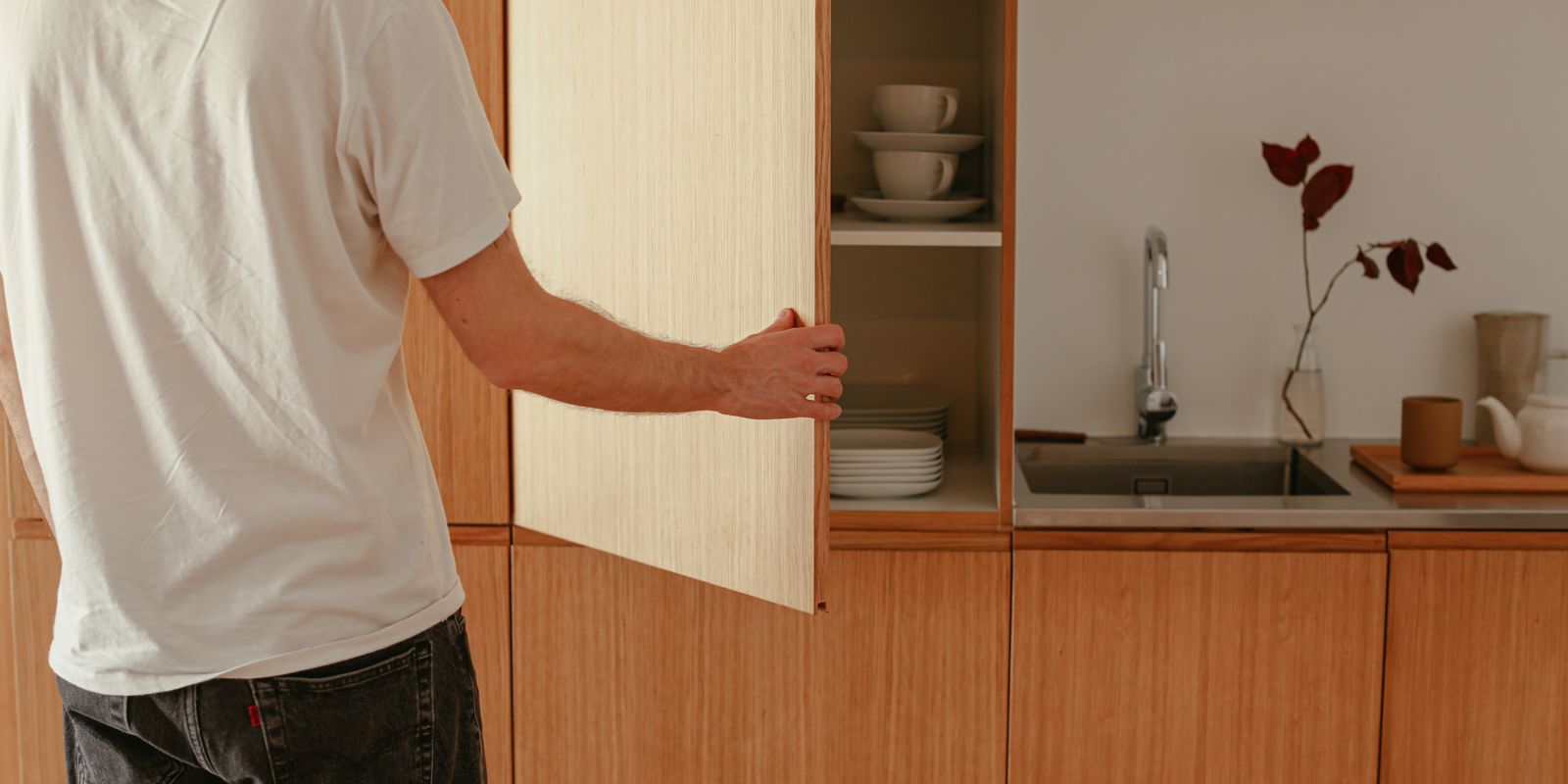
Photo by Cup of Couple on Pexels
- Boredom eating is mostly about escaping monotony, not hunger: in one study people ate more M&Ms while watching a clip on repeat.
- Repeated in the same place and time, a bored snack becomes a habit loop: cue, routine, a few minutes of something happening.
- Before eating, ask 'hungry or bored?', drink a glass of water and wait two minutes.
- Swap the routine for something stimulating: a walk, a message, or a more exciting healthy snack, since dull options rarely win.
- Change the cue too: regular meal times, snacks out of sight, and a plan for the time of day it usually happens.
Why do I eat when I'm bored? The research suggests a plain answer: boredom feels like a lack of stimulation, food is the quickest change of scene within reach, and after enough repeats the pairing runs on its own. You are not hungry so much as looking for something to happen. That makes it a habit loop (a cue, a routine, a small reward) rather than a willpower problem, and habit loops can be redirected. The rest of this guide explains the loop and gives you a two-minute swap to try.
Why do I eat when I'm bored? What the studies found
Two groups of researchers looked at this directly in 2015.
In one study published in Appetite, Havermans and colleagues had 30 people come in for two sessions. In one session they watched an hour of a documentary. In the other they watched a single clip from the same documentary, repeated for an hour. Bowls of M&Ms were within reach both times. People ate more in the boring session. In a parallel experiment, bored participants were even more willing to give themselves brief, mild electric shocks, which tells you something about how uncomfortable monotony is. The authors concluded that eating out of boredom was not mainly about wanting a pleasant treat; it was about escaping the monotony.
A second paper, by Moynihan and colleagues in Frontiers in Psychology, combined a week-long diary study with two experiments. In everyday life, the days people reported more boredom were the days they took in more calories, fat, carbohydrate and protein. In the lab, boredom increased the urge to snack rather than to eat something healthy. One detail is useful: among the people most focused on themselves, boredom also increased the appetite for healthy food that was more exciting, but not for healthy food that was dull. The authors suggest people eat when bored partly to distract themselves from the feeling that the moment lacks meaning.
Put the two together and the answer to "why do I eat when I'm bored" is less about food than about stimulation. A snack is a tiny event: a taste, a crunch, a reason to get up. When nothing else is happening, it is the easiest event available.
How boredom becomes a habit
A single bored snack is not a habit. A bored snack at the same time, in the same place, many afternoons in a row, is how one forms. In their review of the psychology of habit, Wood and Runger describe habits as forming when a response is repeated in a stable context until the context itself starts to trigger it. Once that happens, the behaviour becomes an efficient default: it runs before you have decided anything, and people tend to assume afterwards that they meant to do it.
So the loop usually looks like this:
- Cue: a quiet stretch of the afternoon, a long call, the end of a show, scrolling on the sofa, standing in the kitchen with nothing to do.
- Routine: open the cupboard, eat whatever is easiest to grab.
- Reward: a few minutes of something happening.
The guide on how long it takes to build a habit explains why this kind of loop takes weeks of repetition to form, and why a new one takes about as long to replace it.
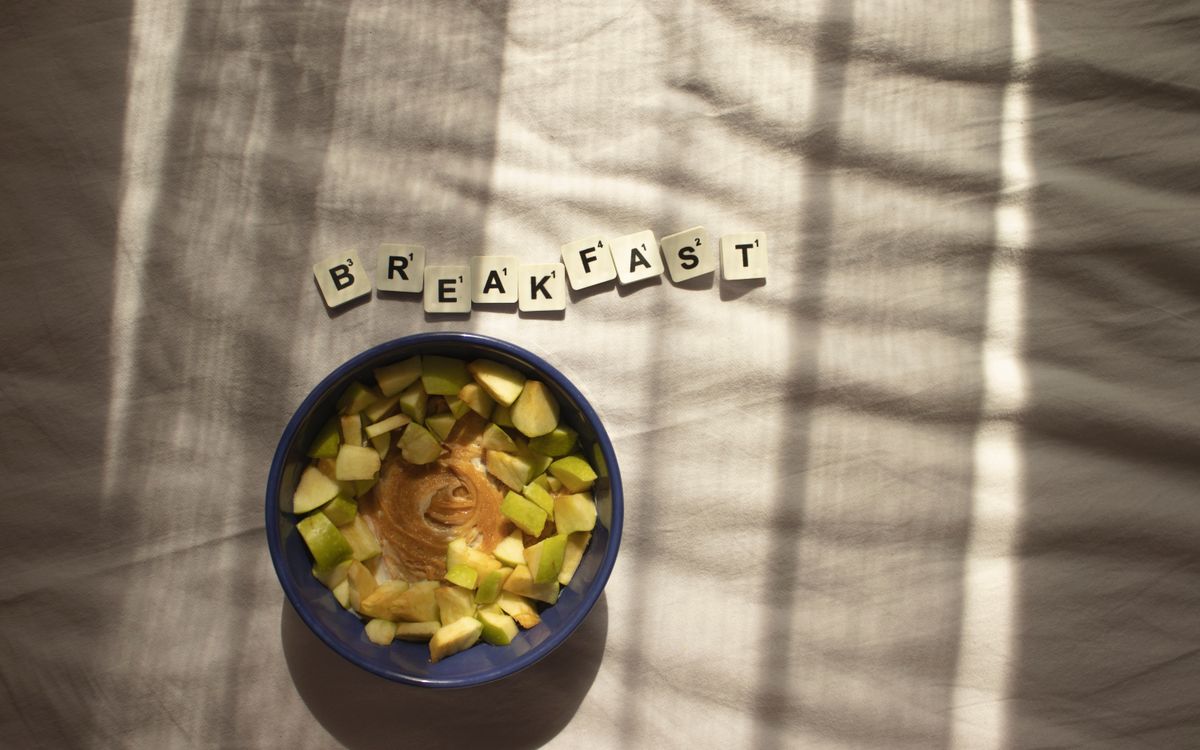
Photo by İdil Ceren Çelikler on Pexels
The two-minute check before you eat
Harvard's Nutrition Source suggests a simple pause before eating out of boredom or stress: ask yourself whether you are truly hungry, or just bored. If you are hungry, eat. If you are not, do something else for a few minutes. That pause is small, but it does the one thing a habit loop needs: it puts a moment of choice between the cue and the routine.
A practical version:
- Name it. Say "bored" or "hungry" in your head. Physical hunger tends to build slowly and is satisfied by most foods; the bored kind tends to arrive suddenly and wants something specific.
- Drink a glass of water first. It takes a minute and gives the urge time to pass or confirm itself.
- Set a two-minute timer and do one other small thing. Stand up and stretch, step outside, text a friend, tidy one surface. If you still want the snack when it rings, have it.
- If you eat, plate it. Put a portion on a plate instead of eating from the packet, sit down, and eat without the screen. The Nutrition Source recommends both.
None of this is a rule against snacking. It is a way of making sure the snack is something you chose.
Swap the routine, keep the reward
You rarely delete a habit; you replace what happens after the cue. Because the reward in a bored snack is stimulation, the swap should give you a little stimulation too. Some options that work for a lot of people:
- Something with your hands: a short walk, a few stretches, watering plants, a two-minute tidy.
- Something social: a message to someone you have been meaning to reply to.
- Something new for your attention: a page of a book, a podcast episode you were saving, a crossword.
- A more interesting healthy option: the Moynihan studies found that exciting healthy food could stand in for less healthy snacks when people were bored, while dull healthy food did not. Crunchy, colourful or strongly flavoured beats plain: apple slices with peanut butter, frozen grapes, spiced chickpeas, a handful of nuts.
That last point is worth planning around. If the only alternatives in the house are things you find boring, the cupboard will win. A little preparation helps; the guide on meal prep without cooking covers assembling ready-to-grab snacks, and how to eat healthy for cheap covers stocking them without spending much.

Photo by Gustavo Fring on Pexels
Change the cue, not just your reaction
Since habits attach to places and times, the easiest wins are often environmental:
- Eat at set times. The Nutrition Source suggests regular meal times and a proper lunch break away from your desk. Meals that arrive on schedule leave fewer gaps where boredom and hunger blur together.
- Move the snacks. Keep the foods you graze on out of sight and out of the room where you get bored.
- Give the dead zone a job. If 3 to 4 pm is when it happens, put a walk, a call or a small task there on purpose.
- Keep a note for a week. Write down when you ate without being hungry and what you were doing. Most people find two or three repeat cues, and those are the only ones worth working on.
If you want a running record without a notebook, Orbit logs a balanced meal, a protein-rich meal or fruit and veg in one tap, so the days you planned your snacks show up next to everything else you did that day.
When to talk to someone
This guide is about everyday boredom snacking, which almost everyone does. If eating feels out of your control, comes with distress or guilt that sticks around, or is tied to strong emotions most days, that is worth bringing to a doctor or a registered dietitian rather than handling with a timer. This is general information, not medical advice.
Questions people ask
Why do I eat when I'm bored even when I'm not hungry?
Studies suggest boredom pushes people to escape monotony, and food is the quickest change of scene within reach. In one experiment, people ate more M&Ms while watching the same clip on repeat than while watching a full documentary.
How can I tell if I'm hungry or just bored?
Pause and ask. Physical hunger tends to build gradually and most foods will satisfy it. The bored kind tends to arrive suddenly and wants something specific. A glass of water and a two-minute wait usually makes the answer clearer.
What can I eat when I'm bored that is healthier?
Pick something interesting, not just virtuous. Research found exciting healthy foods could stand in for snacks when people were bored, while plain ones did not. Crunchy or strongly flavoured options such as apple with peanut butter, frozen grapes or spiced chickpeas tend to work.
How do I stop snacking out of boredom at home?
Change the cue: eat at regular times, keep snacks out of the room where you get bored, and plan a short walk, call or task for the time of day it usually happens. Then replace the routine with something that gives you a little stimulation.
Sources
- Havermans RC et al., Eating and inflicting pain out of boredom, Appetite (2015)
- Moynihan AB et al., Eaten up by boredom: consuming food to escape awareness of the bored self, Frontiers in Psychology (2015)
- Wood W, Runger D, Psychology of Habit, Annual Review of Psychology (2016)
- Harvard T.H. Chan School of Public Health, The Nutrition Source: Mindful Eating
Published by Orbit Editorial. General information, not medical advice. How we write and check guides. Spotted a mistake? Tell us.
Keep reading
How to eat healthy for cheap
How to eat healthy for cheap: build meals from a few staples, buy produce frozen or canned, cook once for several days, and change one habit at a time.
How much protein do I need a day? The numbers, plainly
The baseline is 0.8 g per kilogram of body weight a day. Active people and older adults are often advised 1.2 to 2.0 g, spread across meals.

Why is my weight fluctuating by 5 pounds?
A swing of a few pounds in a day or two is mostly water, food still in transit and stored carbohydrate. Here is what moves it and how to read the trend.