Why do I have 2 zodiac signs? Four reasons, plainly
A cusp birthday, your sun, moon and rising signs, two zodiac systems, or the sky's slow drift. Here is which one applies to you.
 Orbit Editorial·6 min read··3 sources
Photo by Tommes Frites on Pexels
- Two signs usually means a cusp birthday, a moon or rising sign, a sidereal chart, or the 13-constellation count.
- If you were born near a changeover, your birth year and time decide which side of the line you land on.
- Vedic (sidereal) charts usually place you about one sign earlier than Western (tropical) ones, because of a 26,000-year wobble in Earth's axis.
- NASA did not change the zodiac; the Sun's path simply crosses 13 constellations, including Ophiuchus.
- Astrology is a cultural tradition, not a science: enjoy it as a prompt, not a verdict.
If you have ever asked "why do I have 2 zodiac signs," the short answer is that there is more than one way to count. You were probably born near the edge of a sign (a cusp), you have met the idea of sun, moon and rising signs, or you looked yourself up in two different zodiac systems that disagree by about a month. A fourth reason is astronomy itself: the stars behind the Sun have drifted since the zodiac was drawn up around 3,000 years ago.
None of these means one of your signs is wrong. They are different answers to different questions. This guide walks through each so you can work out which one is behind your double result.
Why do I have 2 zodiac signs? The four usual reasons
- You were born on a cusp. The Sun does not change sign at the same minute every year, so birthdays within a day or two of a changeover can land either side depending on the year and time.
- You are looking at your sun sign and your moon or rising sign. Western astrology gives everyone several placements, not one.
- You checked a tropical zodiac and a sidereal one. Most Western horoscopes use one system; Vedic astrology uses the other, and the two sit roughly a sign apart.
- You read about Ophiuchus. A thirteenth constellation sits on the Sun's path and was never given a sign.
Reason one: a cusp birthday
The dates printed in magazines, such as Leo running from about July 23 to August 22, are rounded. The real changeover is tied to when the Sun reaches a set point along its yearly path, and that moment shifts by hours from one year to the next because the calendar year and the solar year do not line up exactly.
So if your birthday falls on the first or last day of a sign, two websites can honestly give you two answers. One is using the rounded table; the other is using your birth year and, sometimes, your birth time and place.
What to do: if you want a single answer, find your birth time. With the date, time and place, a chart calculator can say exactly which side of the line the Sun was on when you were born. People often call themselves "cusp" signs and enjoy both, which is a perfectly good choice too.
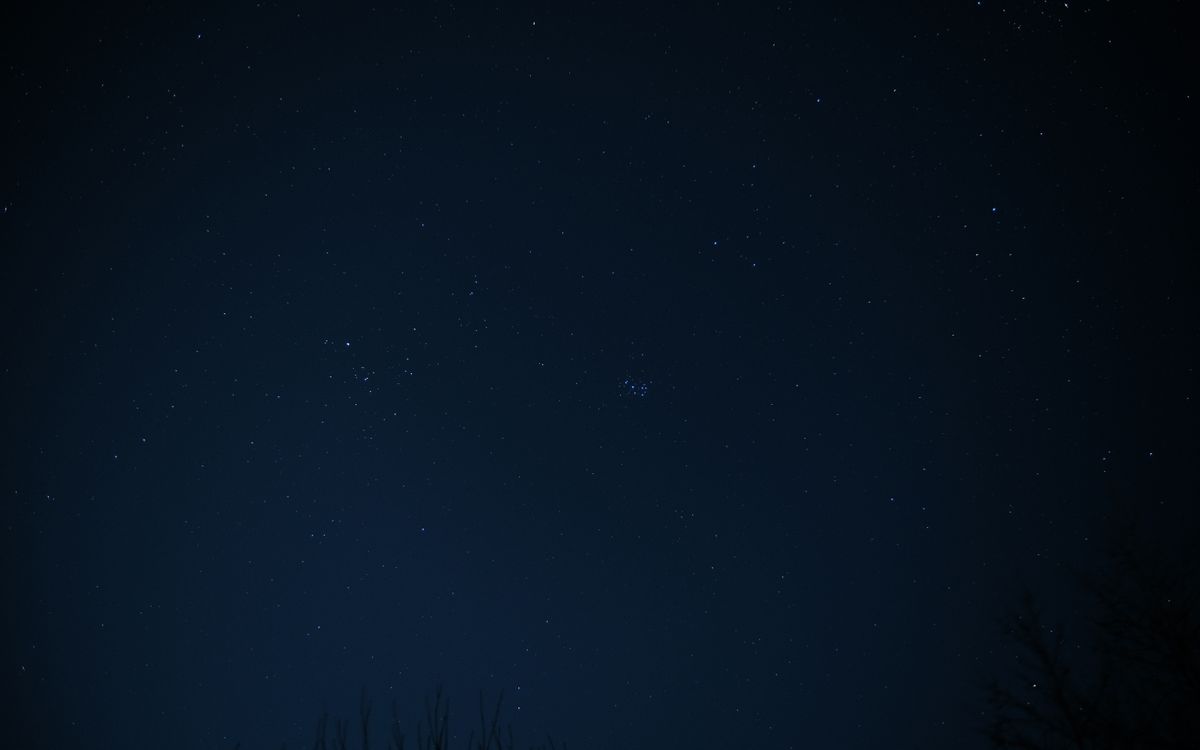
Photo by Ivan Mudruk on Pexels
Reason two: sun, moon and rising signs
The sign most people mean when they say "I am a Scorpio" is the sun sign: where the Sun appeared against the zodiac on your birthday. Western astrology also assigns:
- a moon sign, from where the Moon was, which changes roughly every two and a half days
- a rising sign, from which part of the zodiac was on the eastern horizon at the moment you were born, which changes about every two hours
That is why a friend might say you have "Leo energy" even though your birthday says Virgo. In that tradition you have both, plus a set of other placements. If a quiz or app told you a second sign, check whether it was asking about the Moon or your rising sign. This is also why searches like "what is my night zodiac sign" exist: some sites use "night sign" loosely for the moon sign.
Reason three: two zodiacs that disagree by about a month
This is the one that surprises people most. There are two main ways to fix the zodiac to the sky.
The tropical zodiac, used by most Western horoscopes, starts Aries at the spring equinox every year. It is tied to the seasons, not to the stars.
The sidereal zodiac, used in Vedic (Indian) astrology, ties the signs to the actual background stars.
When the zodiac was first set out, those two lined up. They no longer do, because of a slow wobble in Earth's axis called precession. NASA describes it as a cycle of about 26,000 years, a little like the wobble of a spinning top. As Earth wobbles, the point in the sky where the spring equinox falls creeps along the Sun's path. Around 130 BC the Greek astronomer Hipparchus noticed it had moved about 2 degrees in 169 years. The equinox sat in the constellation Aries in ancient times, moved into Pisces around the year 1 AD, and is now heading towards Aquarius (the "Age of Aquarius" people sing about).
The result: the sidereal system usually places your Sun about one sign earlier than the tropical one. A tropical Libra is often a sidereal Virgo. If one site called you one sign and another called you the sign before it, this is almost certainly why. Both are internally consistent; they just measure from different starting lines.

Photo by Sahil Raut on Pexels
Reason four: Ophiuchus, the thirteenth constellation
Every few years a headline claims "NASA changed the zodiac." It did not. As NASA put it, it simply did the math.
The Sun's yearly path crosses thirteen constellations, not twelve. The Babylonians, who laid out the zodiac about 3,000 years ago, divided the path into twelve equal parts to match a twelve-month calendar and left Ophiuchus, the serpent bearer, out. The real constellations are also not equal sizes: NASA notes the Sun sits in front of Virgo for about 45 days but in front of Scorpius for only about 7.
So if you have seen yourself listed as an Ophiuchus, or given a different sign under a "13-sign" chart, that is an astronomical count of constellations, not the astrological zodiac most horoscopes use.
So which sign is really mine?
It depends on what you are asking:
- For a Western daily horoscope: your tropical sun sign, checked with your birth time if you are on a cusp.
- For a Vedic reading: your sidereal sign, usually one earlier.
- For where the Sun actually stood against the stars: the 13-constellation count, which is astronomy.
It helps to be honest about what each one is. NASA's Space Place draws the line clearly: astronomy is the scientific study of what is in space and follows evidence and data, while astrology is a belief that the positions of stars and planets describe people or predict events, and its claims are not based on scientific evidence. NASA also acknowledges astrology matters in many cultures. You can enjoy your sign, or both of them, without treating either as a verdict on who you are.
Enjoying your sign without letting it decide for you
A reading works best as a prompt, not a prediction. "Leos are bold" can be a nudge to try the thing you have been putting off; it should never be the reason you skip something that matters to you. If a horoscope gives you a small reason to reflect, take a walk or write a few lines at the end of the day, that is a good use of it. A few minutes of writing is also the core of a gratitude practice; our guide on how to keep a gratitude journal shows how small it can be.
This is the spirit of Cosmic Reading in Orbit: your sign's constellation, a daily tarot card, and a star-form skin for your Orb, offered as delight, not destiny. The habits you actually keep are what change your week.
The quick version
Two signs usually means one of four things: a cusp birthday, a moon or rising sign, a sidereal chart, or the thirteen-constellation count. Check your birth time for a cusp, check which system a site uses for the others, and pick the one that answers the question you were asking.
Questions people ask
Can you have two zodiac signs?
In Western astrology everyone has several placements, such as a sun, moon and rising sign. You can also get two different sun signs if you were born on a cusp or if you compare a tropical chart with a sidereal (Vedic) one.
What does it mean to be born on a cusp?
Your birthday falls within a day or two of the Sun moving from one sign to the next. Because the exact changeover shifts slightly each year, your birth year and time decide which side you land on.
Why is my Vedic sign different from my Western sign?
Vedic astrology uses the sidereal zodiac, tied to the stars, while most Western horoscopes use the tropical zodiac, tied to the seasons. Earth's slow wobble has pulled the two about one sign apart.
Did NASA change the zodiac signs?
No. NASA explained that the Sun's path crosses thirteen constellations, including Ophiuchus, and that the sky has shifted since the Babylonians drew up twelve signs. It did not change astrology.
What is my night zodiac sign?
Some sites use "night sign" loosely for your moon sign, which comes from where the Moon was when you were born. It changes about every two and a half days, so you need your birth date and ideally the time.
Sources
Keep reading

How much does a health coach cost? What you are paying for
Coaches set their own rates, insurance rarely pays yet, and the research points to 12–15 sessions. Here is how to work out the real total.

Is It Good to Meal Prep? What the Research Says
Meal planning is linked with more varied, higher-quality eating. The catch is safe storage, so plan the back half of the week for the freezer.

Is It OK to Take Vitamin D3 at Night? What Matters More
Night or morning makes little difference in the research. Taking vitamin D3 with a meal that has some fat in it, every day, matters far more.